
Eat Smart, Lose Weight: Top Foods for a Leaner You
Your trusted editorial guide to the best low-calorie, low-fat whole foods that support a healthy weight. Explore science-backed food picks, practical meal ideas, and easy-to-follow nutritional insights — all in one place.
- Curated lists of the most satiating low-fat foods
- Nutritional breakdowns and portion guidance
- Editorial food guides updated regularly
- Practical tips for balanced, sustainable eating
Get Weekly Food Tips
Join our editorial newsletter and receive fresh food guides, low-fat meal inspiration, and expert-curated nutrition reads every week.
Editorial content only. No commercial offers. Unsubscribe anytime.
In-depth guides
Meal inspiration
Trusted sources
Browse by Category
Best Low-Calorie Foods Ranked by Nutrition & Satiety
Our editorial team has compiled the most researched and reader-recommended foods for people following a low-fat or weight-conscious eating plan in France and beyond.
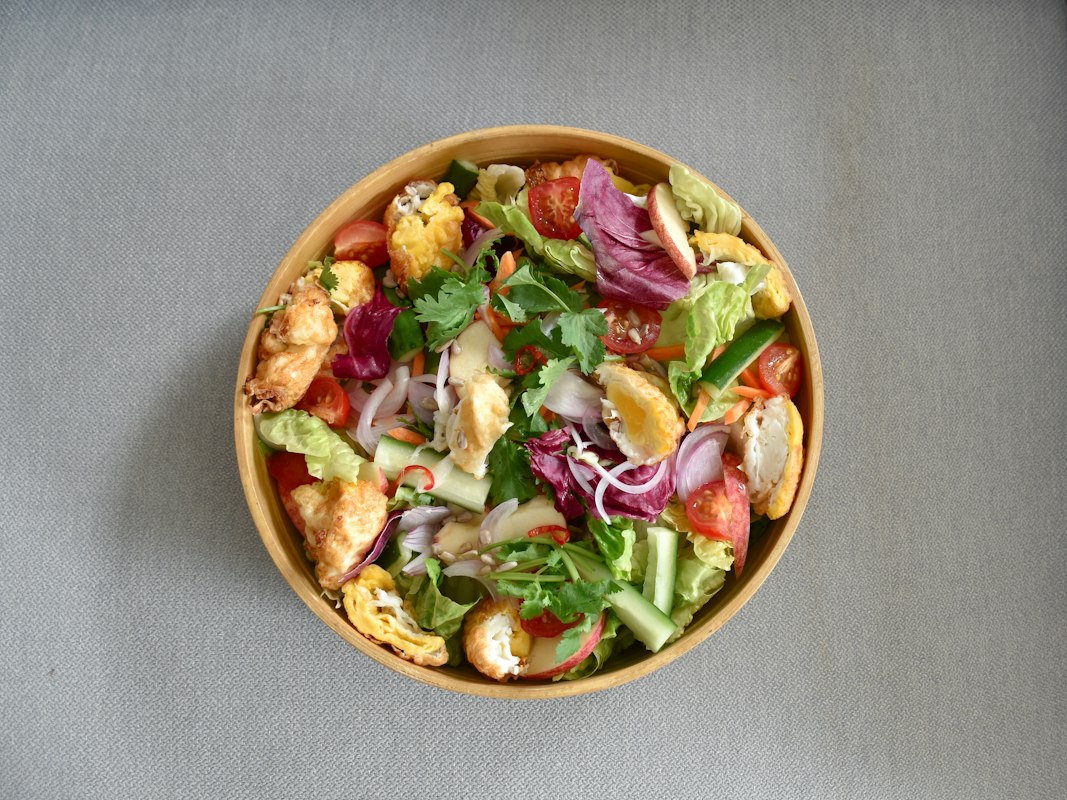
Leafy Greens: Spinach, Kale & Arugula
Among the lowest-calorie foods per serving, leafy greens are packed with vitamins A, C and K while delivering virtually zero fat. Their high water and fibre content helps you feel full without excess energy intake. They are a cornerstone of any effective low-fat eating plan.

Skinless Poultry: Chicken & Turkey Breast
White poultry without the skin is one of the most protein-dense, low-fat animal foods available. A standard portion delivers ample amino acids needed for muscle maintenance while keeping saturated fat minimal. Paired with vegetables, it forms a complete and highly satiating meal.
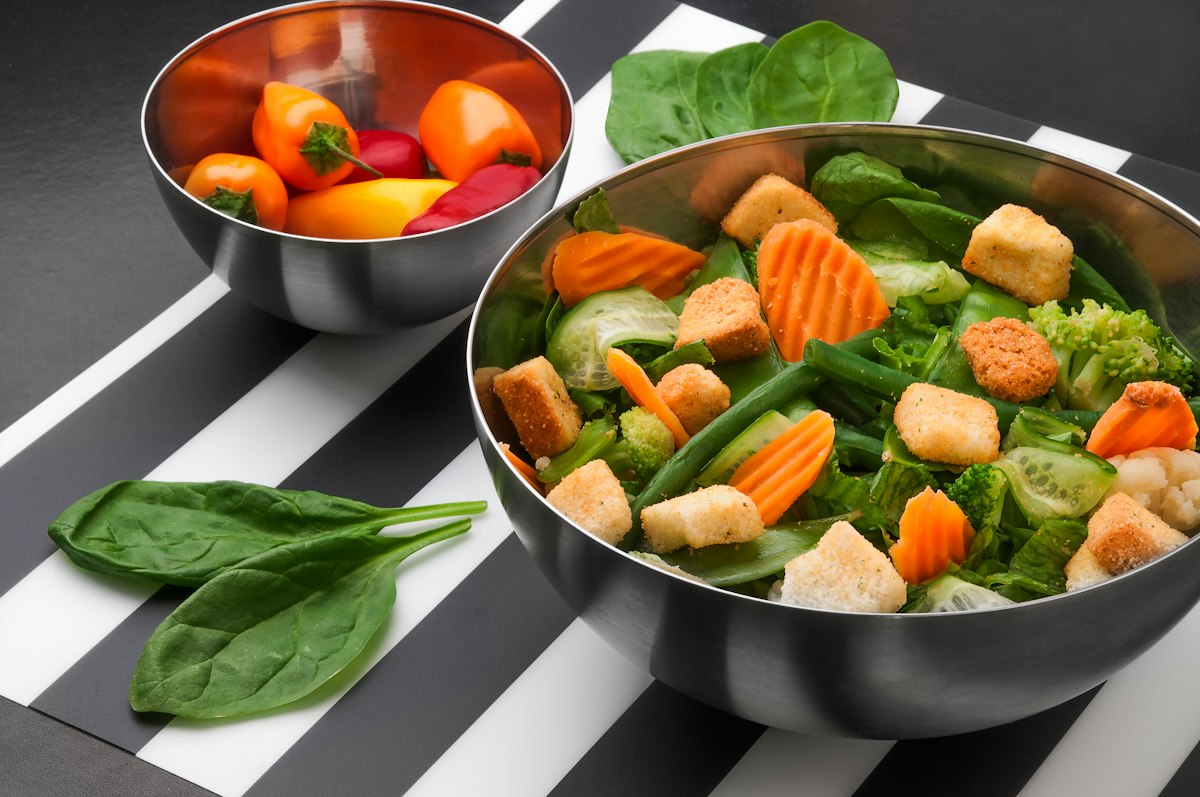
Berries: Blueberries, Strawberries & Raspberries
Berries rank among the most antioxidant-rich, low-energy-density fruits you can eat. Their natural sweetness satisfies cravings without spiking energy intake, while their fibre content supports digestive regularity. Including a handful daily is one of the simplest upgrades to a weight-conscious diet.
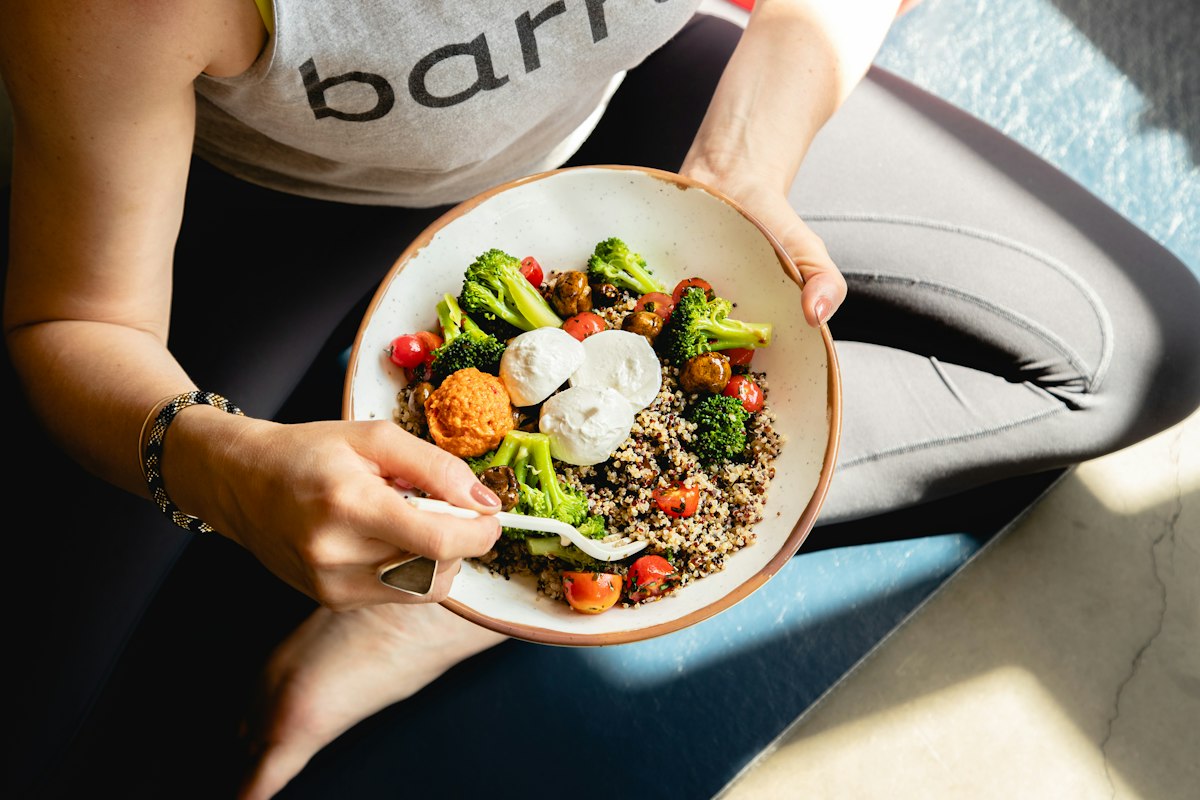
Lentils, Chickpeas & Black Beans
Legumes are an exceptional source of plant-based protein and soluble fibre, both of which contribute strongly to feelings of satiety after meals. They are naturally very low in fat and rich in iron, folate and magnesium. Studies consistently link regular legume consumption to healthier body weight patterns.

Oats, Quinoa & Brown Rice
Whole grains retain the bran and germ layers, making them far richer in fibre and nutrients than refined alternatives. Oats in particular contain beta-glucan, a soluble fibre linked to prolonged fullness. Replacing white rice or bread with whole grain versions is one of the most accessible dietary changes available.
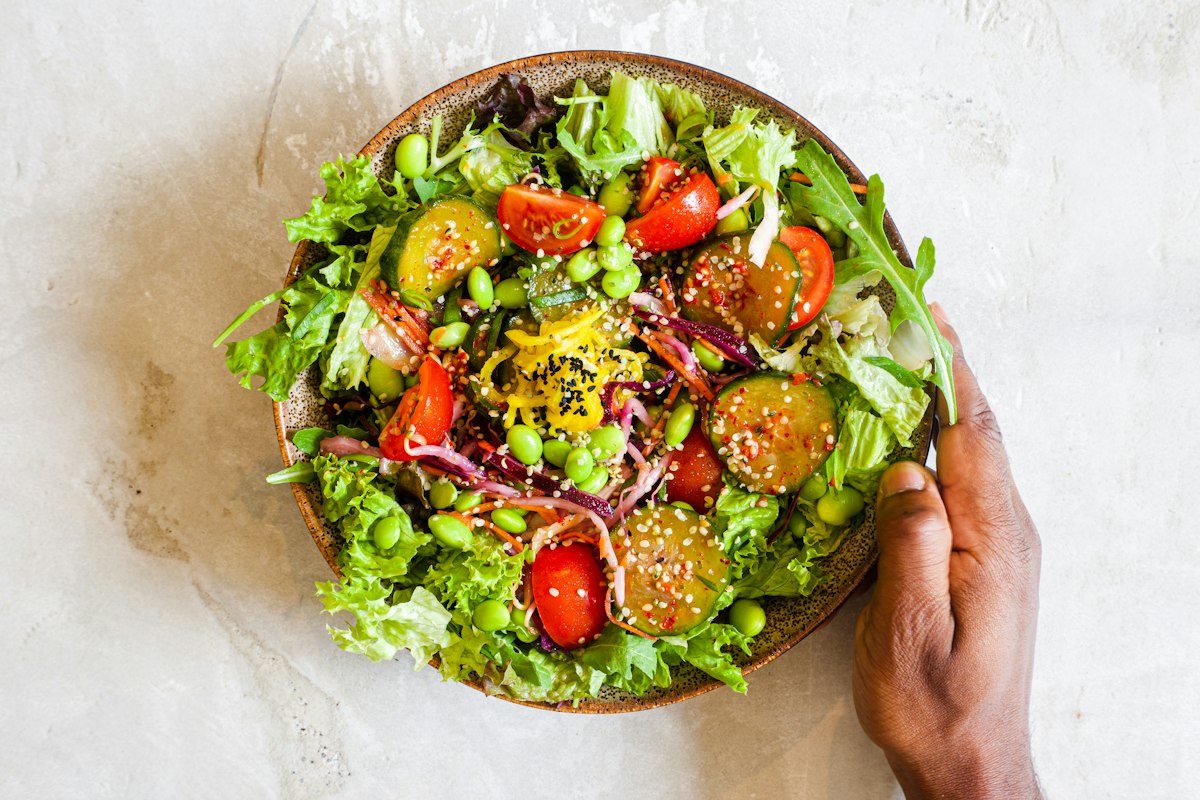
Plain Low-Fat Yoghurt & Cottage Cheese
Unsweetened plain yoghurt and low-fat cottage cheese deliver a powerful combination of protein and calcium with minimal fat content. Their creamy texture makes them satisfying as snacks or meal additions without the caloric density of full-fat dairy. Fermented varieties also support a healthy gut microbiome.
Looking for Lean Recipe Ideas?
Our lean recipes section features dozens of simple, low-fat meal ideas curated for readers who want to eat well without counting every calorie manually.Browse Lean Recipes
Why Low-Fat Whole Foods Are the Foundation of Smarter Eating
Whole foods in their natural, minimally processed state consistently outperform packaged alternatives when it comes to nutritional density. They provide fibre, vitamins, minerals and beneficial plant compounds that processed foods strip away. For anyone aiming to manage their weight more effectively, shifting the diet toward whole food sources is the most evidence-supported move available.
Low-fat whole foods are particularly effective because they allow larger portion sizes without a proportional increase in energy intake. This is what nutritionists call "low energy density" eating — you physically consume more food, feel fuller, and yet your total daily calorie intake remains moderate. Vegetables, fruits, lean proteins and legumes all share this quality.
From a practical standpoint, adopting these foods does not require extreme restriction or complicated meal planning. Small, consistent shifts — swapping butter for olive oil, choosing baked over fried, adding a side salad — accumulate into meaningful dietary improvements over time.
Higher Fibre Keeps You Full Longer
Whole foods naturally contain fibre that slows digestion, maintains steady energy and reduces the urge to overeat between meals.
Better Nutritional Balance
Unprocessed foods provide a broader spectrum of micronutrients, reducing deficiencies that can cause fatigue and cravings.
Sustainable Long-Term Approach
Unlike strict elimination diets, whole-food approaches are adaptable to social life, dining out and diverse cultural food traditions.
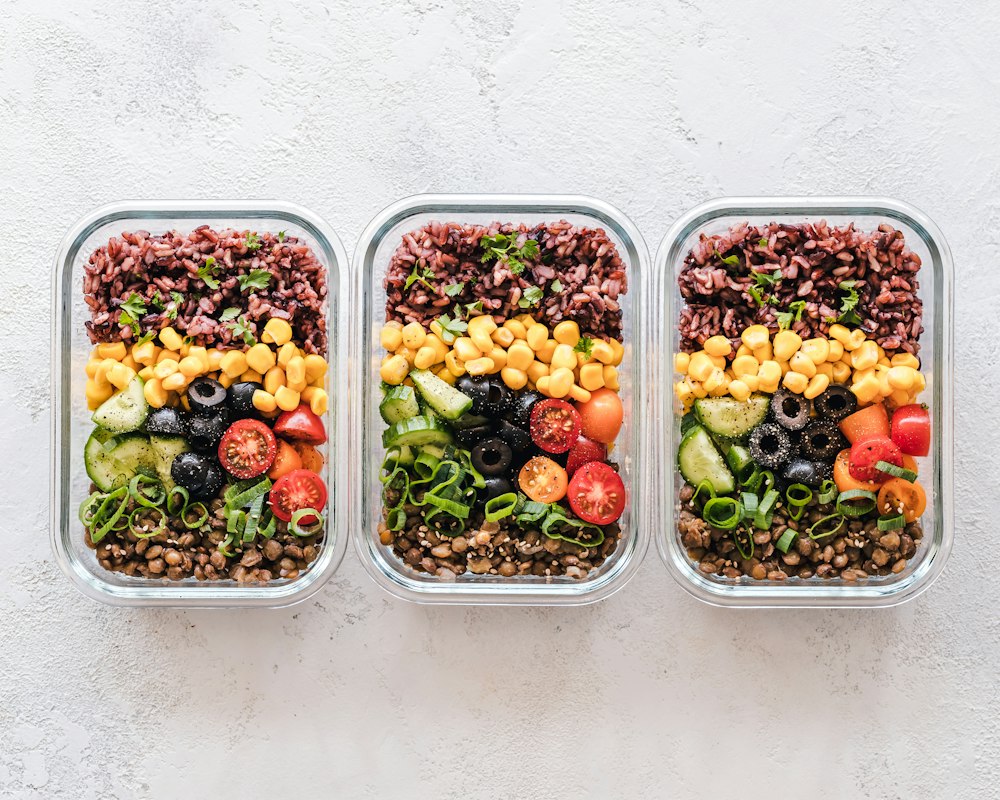
Visual Showcase of Weight-Loss Friendly Meals
A curated visual guide to meals that are as satisfying to look at as they are to eat — all low in fat, rich in nutrients and practical to prepare.

Grilled Salmon & Rocket Salad

Tofu & Seasonal Vegetable Stir-Fry
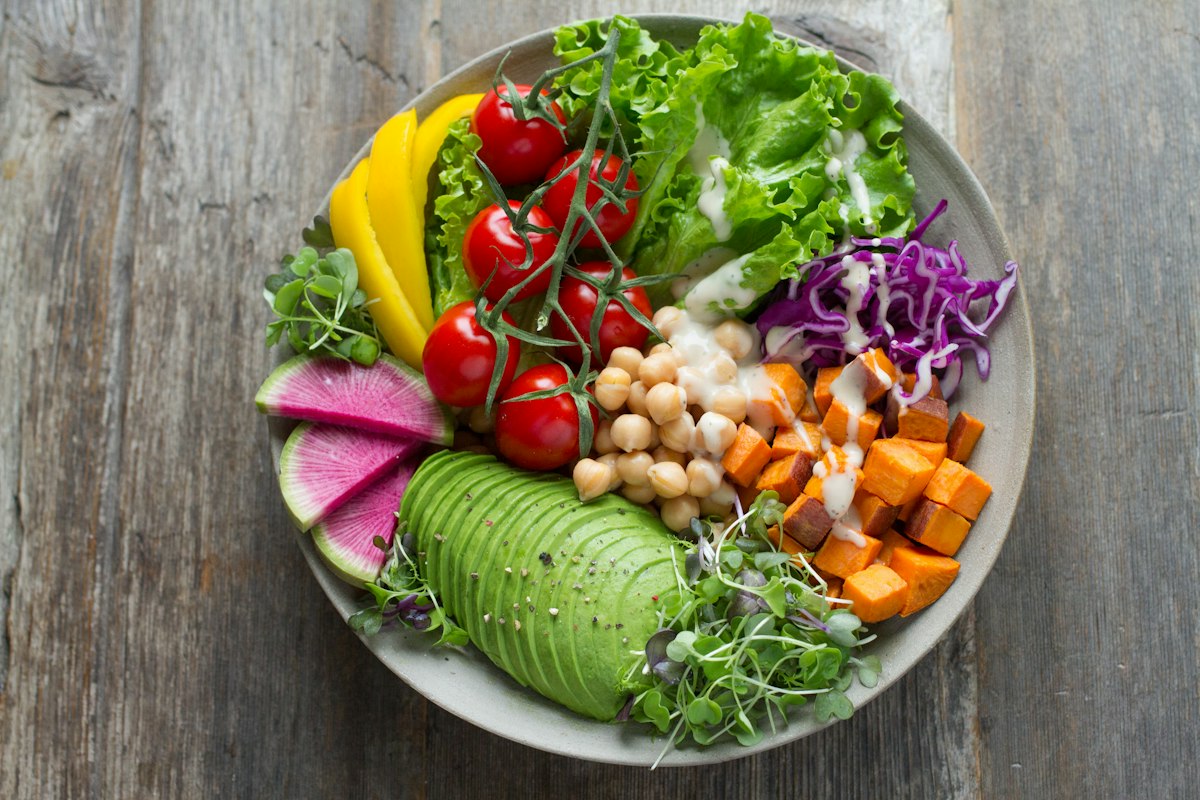
Overnight Oats with Mixed Berries
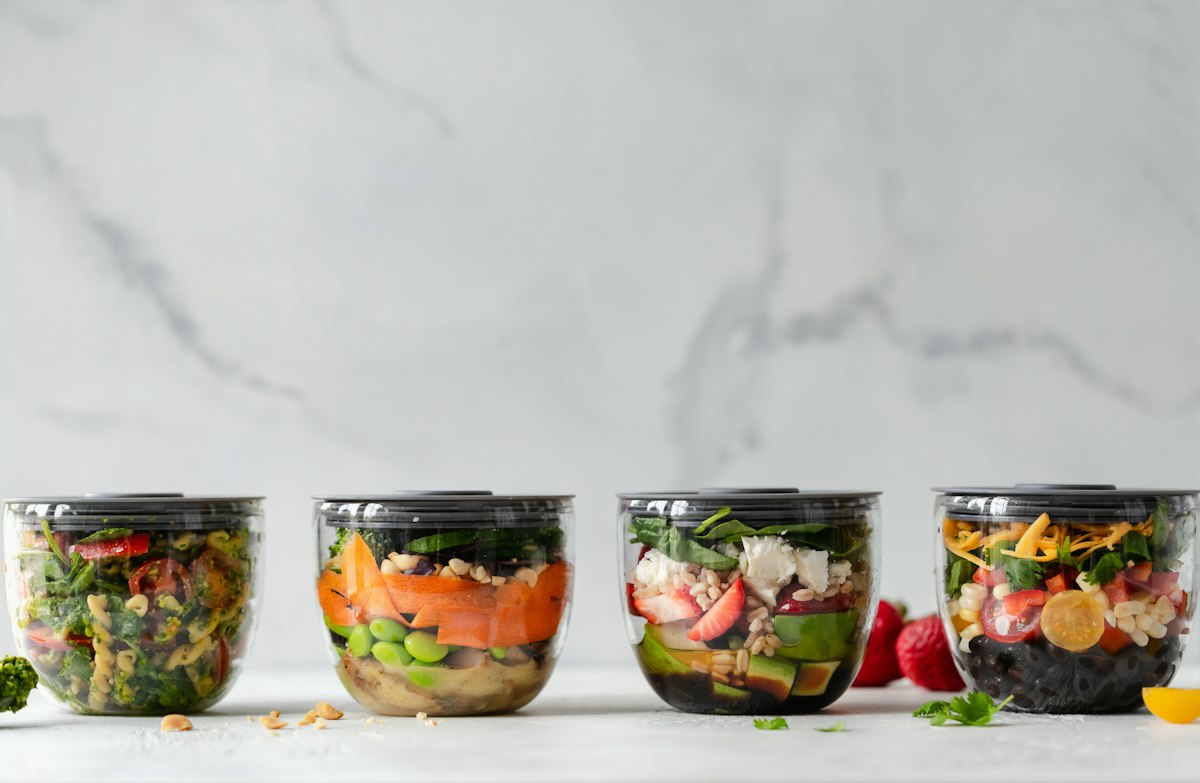
Spiced Red Lentil Soup
Grilled Chicken & Roasted Vegetable Bowl
Quinoa, Cucumber & Herb Salad
Common Questions About Weight Loss Foods & Fat Intake
Answers to the questions our readers ask most frequently about low-fat eating and choosing the right foods.